We Use CookiesWe use cookies to enhance the security, performance,
functionality and for analytical and promotional activities. By continuing to browse this site you
are agreeing to our privacy policy
10 Best Orthopedic Work Boots
From leading brands and best sellers available on the web.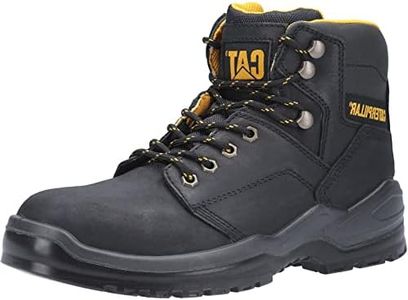
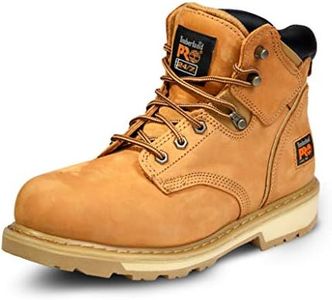
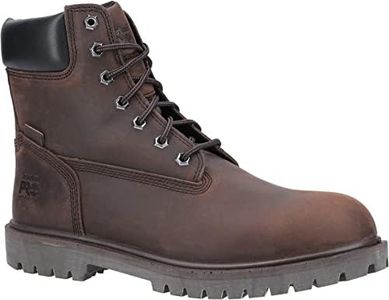
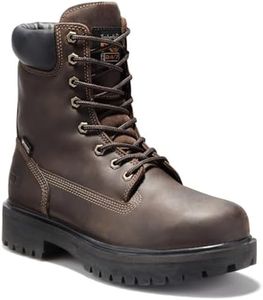
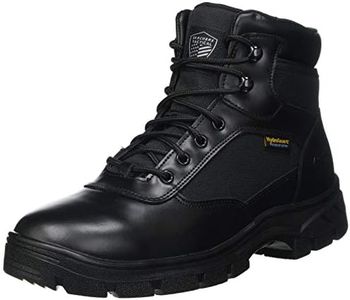
Related Products
Up to 22% off

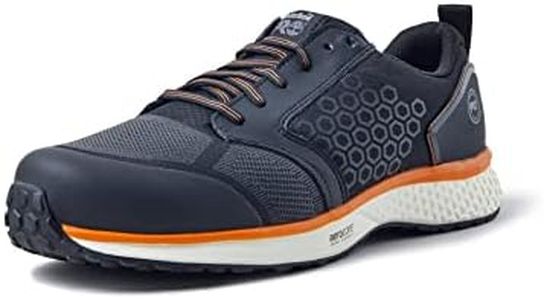
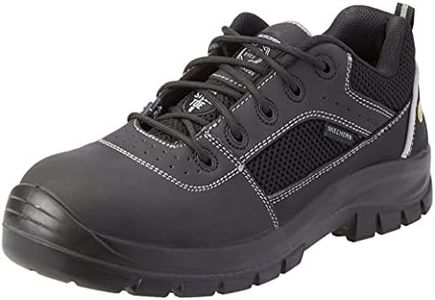
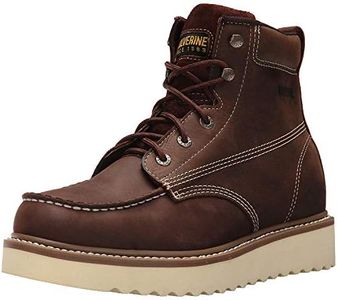
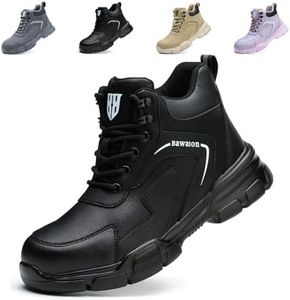
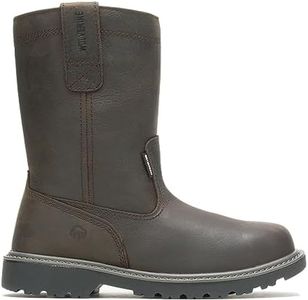


Buying Guide for the Best Orthopedic Work Boots
When choosing orthopedic work boots, it's essential to focus on comfort, support, and durability. These boots are designed to provide relief and support for those who spend long hours on their feet, often in demanding environments. The right pair can help prevent foot fatigue, reduce pain, and improve overall foot health. To find the best fit for you, consider the specific needs of your feet, the type of work you do, and the conditions you'll be working in. Pay attention to the key specifications that can make a significant difference in your comfort and performance.Arch SupportArch support is crucial in orthopedic work boots as it helps distribute pressure evenly across your feet, reducing strain on your arches. This is especially important if you have flat feet or high arches. Arch support can vary from minimal to substantial. If you have flat feet, look for boots with firm arch support to prevent overpronation. For high arches, choose boots with cushioned support to absorb shock. Consider your foot type and any existing foot conditions when selecting the level of arch support.
CushioningCushioning in orthopedic work boots provides comfort and shock absorption, which is vital for reducing foot fatigue during long hours of standing or walking. Cushioning can range from basic foam to advanced gel or air systems. If you work on hard surfaces, opt for boots with more cushioning to protect your feet from impact. For those who prefer a more natural feel, less cushioning might be suitable. Consider the nature of your work environment and personal comfort preferences when choosing the level of cushioning.
Toe ProtectionToe protection is important in work boots to safeguard your feet from injuries caused by falling objects or compression. This can be achieved through steel, composite, or alloy toe caps. Steel toes offer the highest level of protection but can be heavier. Composite toes are lighter and non-metallic, making them suitable for environments where metal detectors are used. Alloy toes provide a balance between weight and protection. Choose the type of toe protection based on the hazards present in your workplace.
Water ResistanceWater resistance in orthopedic work boots is essential for keeping your feet dry and comfortable in wet conditions. This feature can range from water-resistant materials to fully waterproof designs. If you work outdoors or in environments where you might encounter water, opt for boots with higher water resistance. For indoor work or dry conditions, basic water resistance may suffice. Consider the typical conditions of your work environment when deciding on the level of water resistance needed.
Slip ResistanceSlip resistance is a critical feature in work boots to prevent accidents on slippery surfaces. This is achieved through specialized outsoles that provide better grip. The level of slip resistance can vary, with some boots designed for oily or wet surfaces and others for general use. If you work in environments prone to spills or wet floors, prioritize boots with high slip resistance. For less hazardous conditions, moderate slip resistance may be adequate. Assess the typical surfaces you encounter at work to determine the necessary level of slip resistance.
BreathabilityBreathability in orthopedic work boots helps keep your feet cool and dry by allowing air circulation. This is important for preventing sweat buildup and odor, especially during long work hours. Breathability can be enhanced through mesh panels or moisture-wicking linings. If you work in hot environments or have sweaty feet, look for boots with high breathability. In cooler conditions, moderate breathability might be sufficient. Consider your work environment and personal comfort needs when selecting the level of breathability.