We Use CookiesWe use cookies to enhance the security, performance,
functionality and for analytical and promotional activities. By continuing to browse this site you
are agreeing to our privacy policy
10 Best Nordic Walking Poles
From leading brands and best sellers available on the web.
Related Products
Up to 3% off
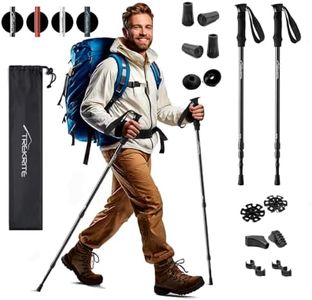
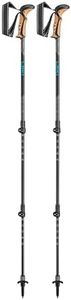
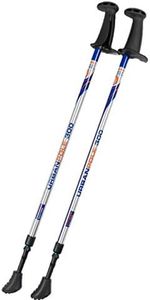
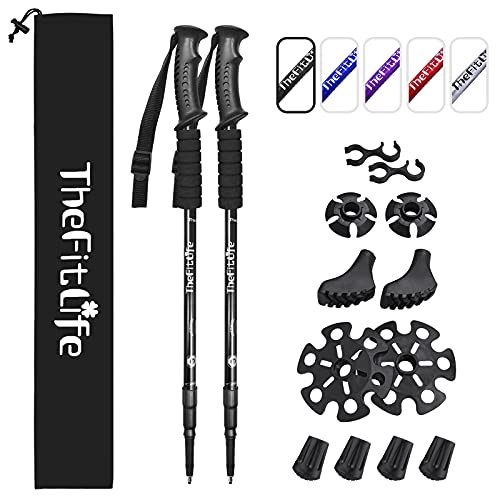
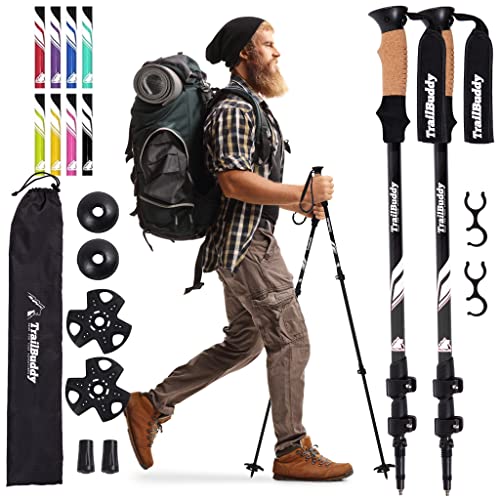
Buying Guide for the Best Nordic Walking Poles
Nordic walking poles are a great tool for enhancing your walking workout, providing stability, and engaging your upper body muscles. Choosing the right pair of poles can make a significant difference in your walking experience. Here are some key specifications to consider when selecting Nordic walking poles and how to navigate them to find the best fit for you.Pole LengthPole length is crucial for ensuring proper technique and comfort. The right length helps maintain good posture and effective use of the poles. To determine the correct length, stand upright and hold the pole vertically with the tip on the ground. Your elbow should form a 90-degree angle. Adjustable poles are versatile and can be fine-tuned to your height, while fixed-length poles are lighter and more durable. Choose adjustable poles if you share them with others or need flexibility, and fixed-length poles if you prefer a lighter option.
MaterialThe material of the poles affects their weight, durability, and flexibility. Common materials include aluminum and carbon fiber. Aluminum poles are sturdy and affordable but heavier, making them suitable for beginners or casual walkers. Carbon fiber poles are lighter and absorb vibrations better, providing a smoother experience, ideal for regular or long-distance walkers. Consider your walking frequency and terrain to decide which material suits you best.
GripThe grip is where your hand holds the pole, and it should be comfortable and secure. Grips are typically made from cork, rubber, or foam. Cork grips are comfortable, absorb sweat, and conform to your hand shape over time, making them great for long walks. Rubber grips are durable and provide a firm hold, suitable for wet conditions. Foam grips are soft and lightweight, offering comfort for shorter walks. Choose a grip material based on your comfort preference and walking conditions.
StrapsStraps help keep the poles attached to your hands, allowing you to push off effectively. There are different types of straps, including simple loops and more advanced glove-like designs. Simple loops are easy to use and adjust, suitable for casual walkers. Glove-like straps provide better support and control, ideal for more intense or longer walks. Consider how much support and control you need to choose the right strap type.
TipsThe tips of the poles provide traction and stability on different surfaces. They can be made of metal or rubber and often come with removable rubber tips for versatility. Metal tips are durable and provide excellent grip on natural terrains like dirt or gravel. Rubber tips are quieter and better suited for hard surfaces like pavement. If you walk on varied terrains, look for poles with interchangeable tips to adapt to different surfaces.
WeightThe weight of the poles affects your comfort and endurance. Lighter poles are easier to carry and reduce fatigue, making them suitable for long-distance or frequent walkers. Heavier poles provide more stability and can be beneficial for beginners or those needing extra support. Consider your walking habits and physical condition to determine the ideal weight for your poles.